The unboxing experience design guide.
The difference between a package that gets filmed and one that gets tossed is not budget — it is design decisions. What the recipient sees first, what they touch, what they hear, and how long the reveal takes. A $12 box that nails the sequence outperforms a $40 box that skips the transition layer. This guide covers the operational design of a reveal that holds up on camera and in the hand.
How do you design packaging that gets filmed?
Engineer the sequence, not just the surface. A three-layer reveal — outer shell, transition layer (tissue, reveal card, or ribbon), product reveal in a structured insert — creates the 10–15 second arc that maps to a Reel or TikTok. A $12 box that nails the sequence outperforms a $40 box that skips the transition layer. Camera-readiness is a design spec: brand visibility at filming angles, finishes that catch light, contrast against common unboxing surfaces.
What to know
- The 5-second rule: recipients form a quality judgment within 5 seconds of seeing the package.
- Reveal sequencing (what they see first, second, third) is the single most controllable variable in unboxing design.
- Tactile hierarchy — the progression from outer texture to inner surface to product contact — creates a sensory arc that registers as quality.
- Camera-readiness is a design specification, not an afterthought — lighting, brand visibility angles, and background contrast all get designed in.
01.The 5-second rule — first impressions before the open
The unboxing experience starts before the box opens. It starts when the recipient picks up the package. In the first 5 seconds, three things happen simultaneously, and they form an impression that colors everything that follows.
Weight in hand
The recipient registers weight before they consciously evaluate design. A rigid box with substance feels like it contains something worth opening. A lightweight mailer feels like it contains a sample. Weight does not need to come from the product — board weight, insert material, and box dimensions all contribute.
A 2mm paper-over-board rigid box (typical for premium) feels categorically different from a 1.2mm folding carton, even when the contents are identical. The recipient's hands decide the quality tier before their eyes do. A rigid setup box in 1,200gsm board signals “gift.” The same products in a 350gsm folding carton signal “order.” Neither is wrong — but the unboxing brief should specify which impression the brand wants, and the board weight should match.
Visual clarity
Within 2–3 seconds, the recipient registers: whose box is this, and does it look deliberate? Brand identification needs to be immediate. Not hidden. Not subtle to the point of anonymous. The logo, color palette, or recognizable pattern should read clearly from arm's length.
The common mistake: designing the outer box for close-up photography rather than the moment of arrival. The first impression happens at 18–24 inches — the distance between a held package and the recipient's eyes. Design for that distance first.
Surface texture
Before opening, the recipient's fingers are already on the box. The outer surface texture is the first tactile data point. Soft-touch lamination creates an immediate quality signal. Uncoated kraft communicates sustainability and authenticity. High-gloss lamination reads as mass-market. Textured linen stock reads as luxury stationery. The outer texture sets the baseline. Everything inside should escalate from there.
- The 5-second rule and the three impressions that form before the box opens
- Reveal sequencing — the three-layer model that creates the 10–15 second arc
- Tactile hierarchy — the sensory arc from outer texture to product contact
- Sound design — the audio cues that signal premium (and the ones that signal cheap)
- Camera-readiness as a design specification, not an afterthought
- Looking expensive vs. being expensive — what creates perceived value and what just adds cost
- Channel-specific unboxing design for DTC, PR/influencer, retail, and subscription
- The physics of a good reveal — closure resistance, lid lift arc, insert tension
- A 10-item unboxing-readiness scorecard
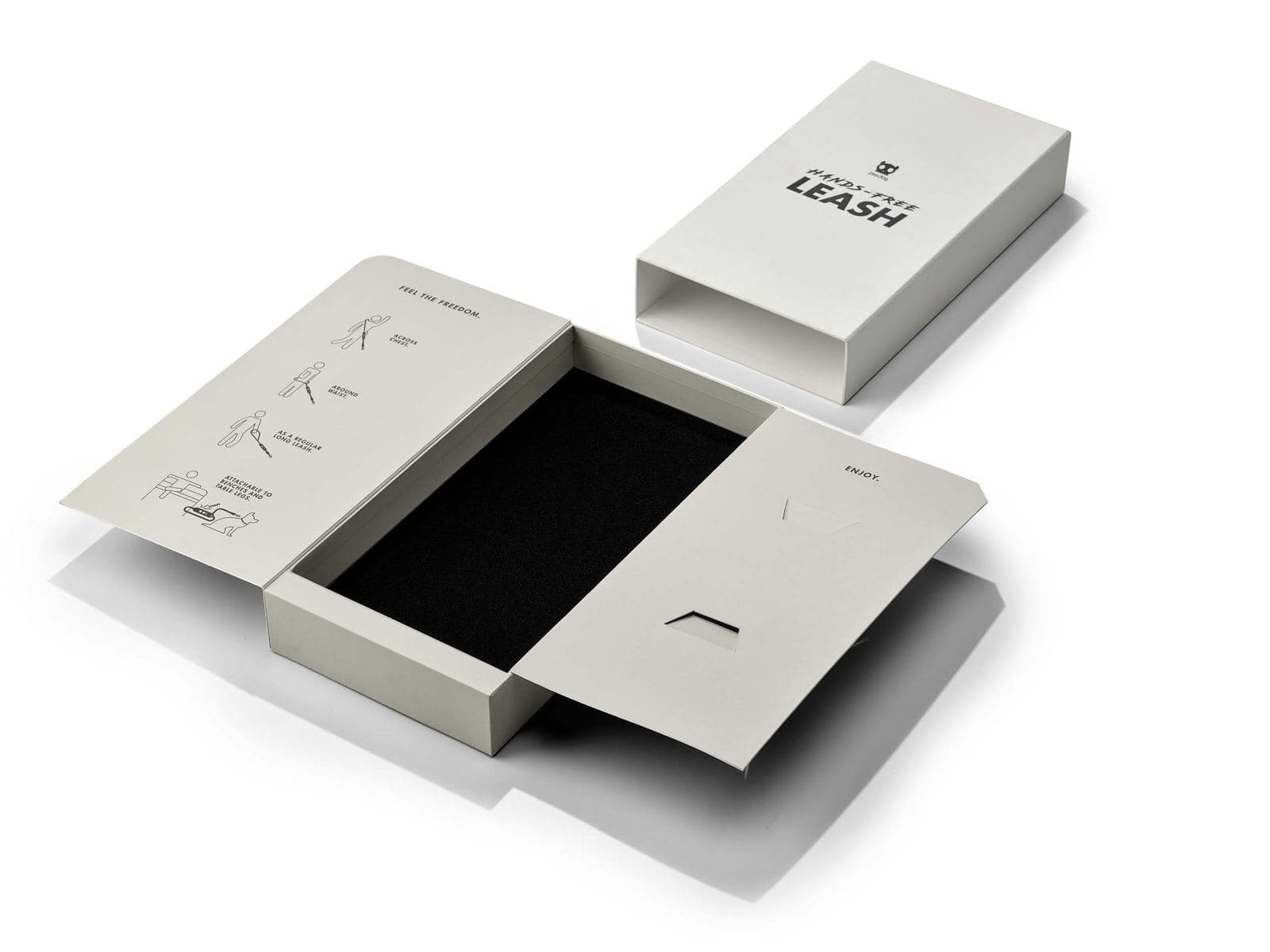
02.Reveal sequencing — controlling the arc
Reveal sequencing is the deliberate ordering of what the recipient sees at each stage of opening. It is the most controllable variable in unboxing design, and the one most often left to chance.
The three-layer model
Premium unboxing experiences follow a three-layer reveal. Each layer adds information and builds anticipation.
Layer 1 — the outer shell. The box itself. Communicates brand, quality tier, and occasion. The outer shell's job is to create expectation, not to fulfill it. A beautifully finished exterior that opens to reveal a mess of products in crinkle fill violates the expectation the shell set.
Layer 2 — the transition. What the recipient sees immediately after opening, before they see the products. Tissue paper, a printed reveal card, a branded ribbon, a magnetic flap. The transition layer creates a pause. That pause is where anticipation peaks. It is the moment where the recipient decides whether to film.
This is the layer most brands skip. They go from outer box directly to products. Without the transition, the reveal is a single step: open, done. With the transition, the reveal becomes a two-beat sequence: open, discover. The second beat is where the content happens.
Layer 3 — the product reveal. Products held in a structured insert, arranged deliberately, visible as a complete composition. This is the hero shot. Every product should be immediately identifiable. The arrangement should look intentional from the angle someone would photograph it: directly above (the flat lay) or at a 30–45° angle (the unboxing-video perspective).
Timing the sequence
The best unboxing sequences take 8–15 seconds from first touch to full reveal. Under 5 seconds and there is no buildup. Over 20 seconds and the recipient loses patience. The transition layer adds 2–4 seconds. The insert reveal adds another 3–5 seconds. The outer opening takes 2–4 seconds.
For content, timing matters more than most brands realize. A sequence that takes 10–12 seconds translates cleanly to a 15–30 second Instagram Reel or TikTok. Too fast and there is nothing to film. Too slow and the creator has to edit, which reduces post likelihood.
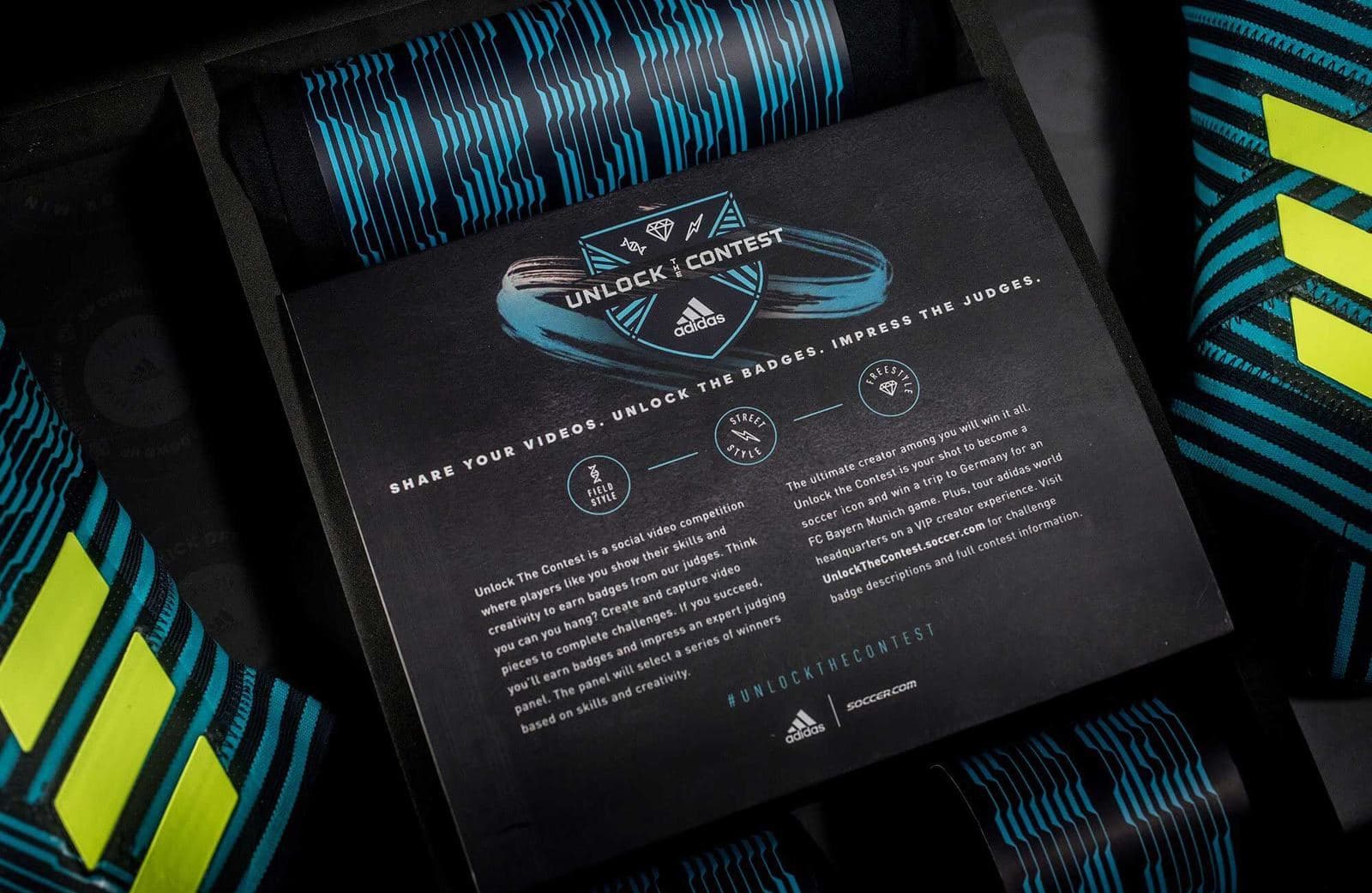

Multi-level rigid architectures (left) and composed product reveals (right) are the pattern that extends the reveal arc into the 10–15 second window where content gets filmed.
03.Tactile hierarchy — the sensory arc
Tactile hierarchy is the progression of textures the recipient feels as they move through the unboxing. It is the haptic equivalent of a musical crescendo. Each surface should feel different from the last, and the progression should move from restraint to richness.
Outer → inner → product contact
Outer surface: Matte, controlled, composed. Soft-touch lamination is the default because it reads as premium without being flashy. Uncoated textured stock (linen, cotton, felt) works for brands with an artisanal or editorial identity.
Inner surface (lid underside or box interior): A contrast to the exterior. If the outside is matte, the inside can be gloss or satin. Interior print on a smooth coated surface creates visual richness that contrasts with the restrained exterior. This is the moment the box “opens up.”
Insert surface: The material that touches or cradles the products. Velvet flocking feels luxurious. Smooth EVA foam feels technical and precise. Molded pulp feels organic and sustainable. The insert material communicates the brand's design sensibility through touch.
Product contact: The products themselves. Their packaging (bottles, jars, tubes) has its own tactile language. The unboxing insert should frame the product packaging. If the product has a matte soft-touch finish, the insert should not be the same. Contrast keeps each element distinct.
Materials that create tactile contrast
| Position | Material | Tactile Signal | Cost Impact |
|---|---|---|---|
| Outer box | Soft-touch lamination | Premium, restrained | +$0.15–$0.35/unit |
| Outer box | Uncoated linen stock | Artisanal, editorial | +$0.40–$1.00/unit |
| Inner lid | Full-color print on coated stock | Visual richness | +$0.20–$0.60/unit |
| Insert | Velvet flocking on card | Luxury, jewelry-grade | +$2.00–$5.00/unit |
| Insert | EVA foam (matte black) | Technical precision | +$3.00–$7.00/unit |
| Insert | Molded pulp | Sustainable, organic | +$1.00–$3.50/unit |
| Transition | Tissue paper (printed) | Delicate reveal | +$0.30–$0.75/unit |
| Transition | Cotton ribbon | Gift, occasion | +$0.50–$1.50/unit |
For a complete breakdown of finish options, costs, and combinations, see our Packaging Finish Guide.
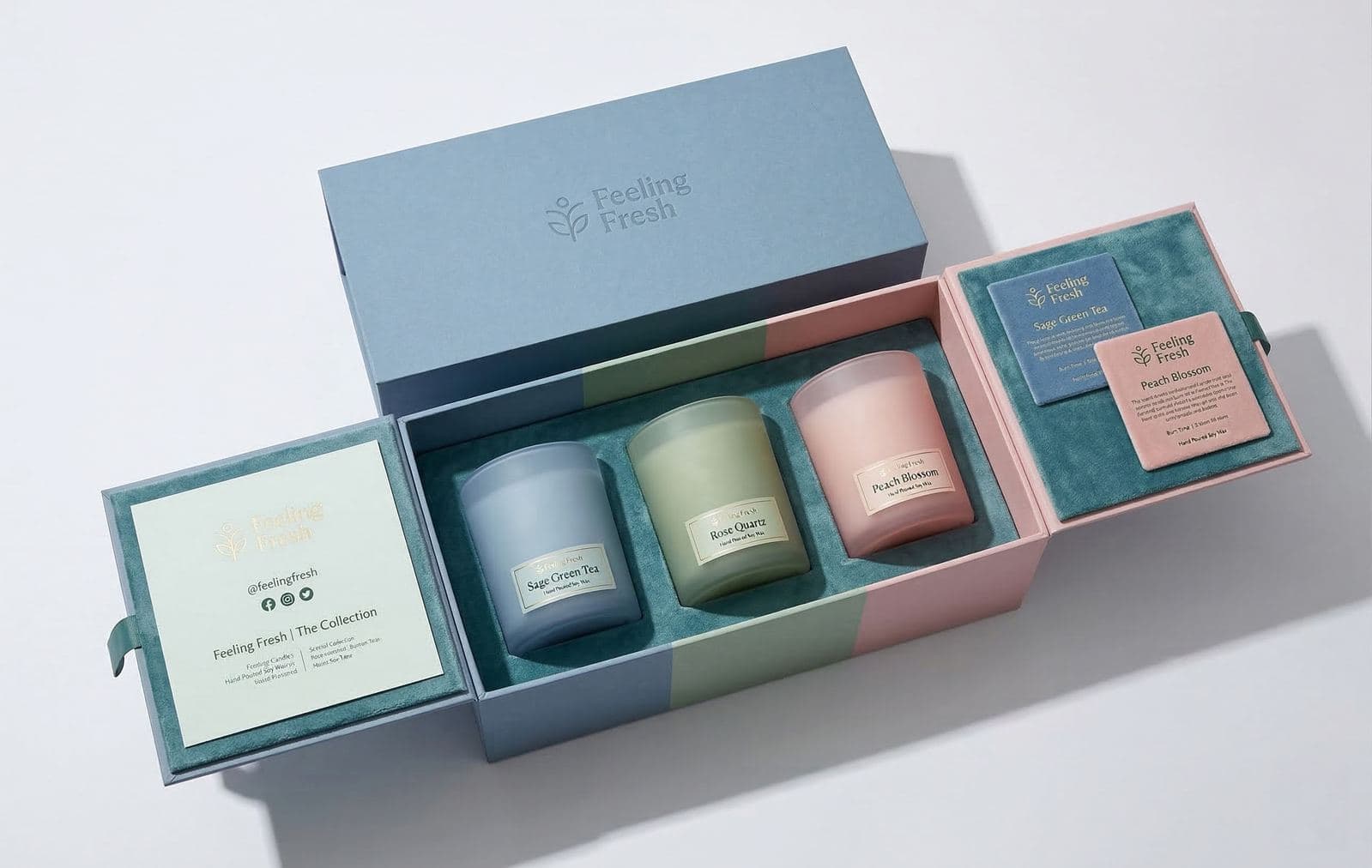
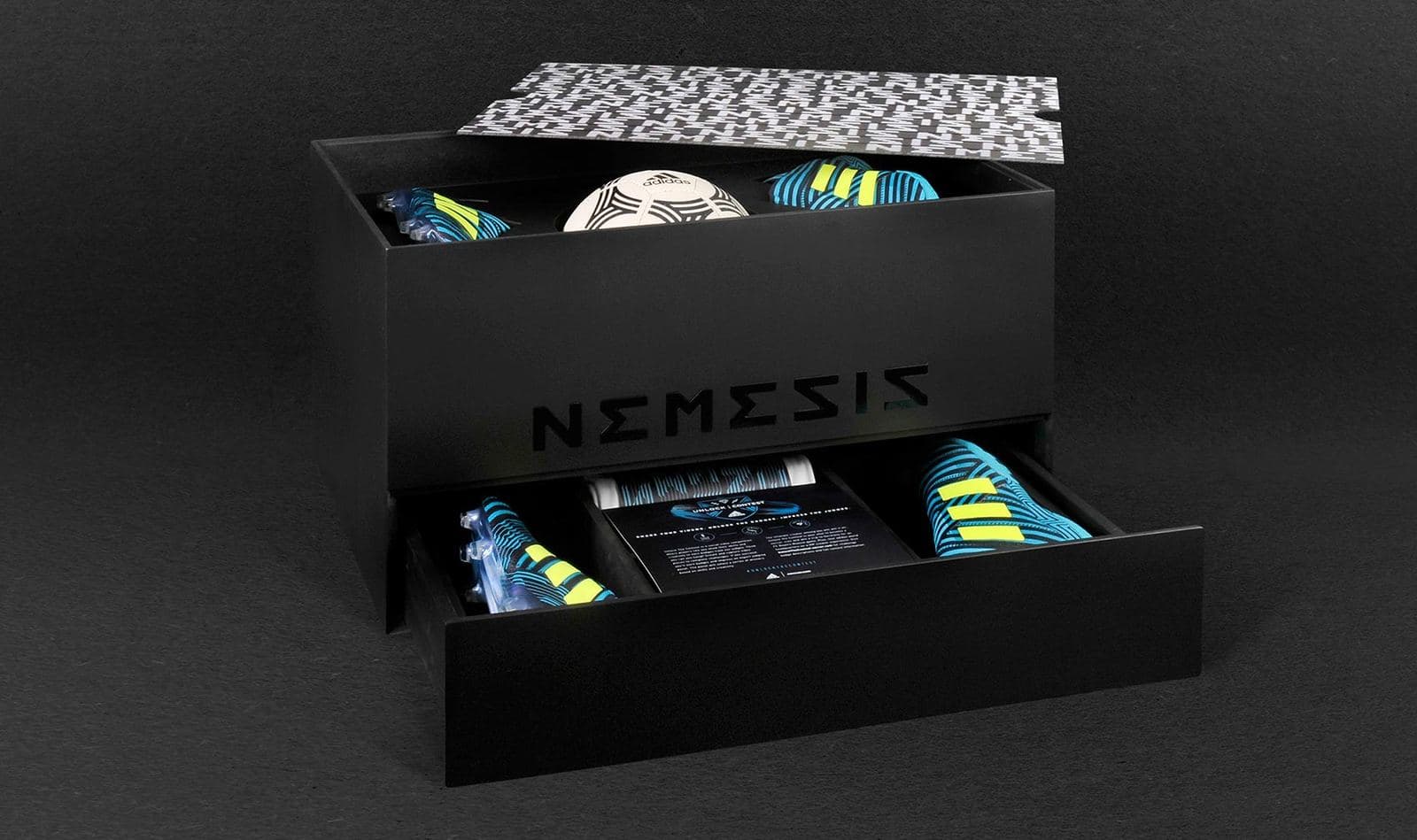
Tactile contrast between restrained outer (right) and rich interior (left) is the single most reliable pattern that registers as design intent on the first touch.
04.Sound design — the overlooked dimension
Unboxing has a soundtrack. Most brands do not design it, but every recipient hears it. The sounds of opening a package create subconscious quality associations, and they are especially important for unboxing video content where ASMR-style audio drives millions of views.
The sounds that signal premium
Magnetic closure snap. The clean “click” of a magnetic lid closing — or the satisfying resistance when opening — signals engineering. It says someone designed this, not just manufactured it. Magnetic closures add $0.50–$2.00 per unit but create an auditory moment that no other closure type matches.
Sleeve resistance. A sleeve sliding off a tray creates friction sound. The right tension produces a smooth, deliberate hiss. Too loose and the sleeve falls off silently. Too tight and the recipient struggles. The sound of a well-tensioned sleeve says “this was made for this.”
Paper crinkle. Tissue paper being peeled back has a delicate, almost ceremonial sound. It signals care. It signals layers. It is why tissue paper remains in premium unboxing despite being functionally unnecessary. Heavier tissue (24gsm+) crinkles differently than lightweight tissue. It sounds more deliberate.
Ribbon pull. A satin or grosgrain ribbon being pulled to unseal a box creates a focused, clean sound. It is the auditory equivalent of cutting a ribbon at an opening ceremony. Cost: $0.30–$1.00 per unit for a pre-tied ribbon.
The sounds that signal cheap
Corrugated cardboard tearing. Tape being ripped. Bubble wrap popping. Styrofoam squeaking. Crinkle fill rustling without resolution. These sounds are associated with shipping, not gifting. They signal logistics, not experience. Unboxing design should eliminate logistics sounds from the experience — no tape (use magnetic closures, tuck-lock, or sticker seals), no bubble wrap (use structured inserts), no loose fill (use fitted trays or foam).
Logic Pac approach. We prototype the full reveal with physical samples and time the sequence with a stopwatch — not against a rendered animation. Target range is 8–15 seconds for most beauty programs. Closure resistance, lid lift arc, and sleeve tension get specified against measured samples before tooling, not after.
05.Camera-readiness — designing for content creation
A premium unboxing experience that is not camera-ready is a design failure in the era of social media. Camera-readiness is a specification that should appear in the packaging brief, not something discovered after production.
Brand visibility during filming
During an unboxing video, the camera sees the box from specific angles. The brand logo and key visual identity should be visible from the angles that naturally appear during filming:
- Top-down (flat lay): The lid should carry the brand mark clearly. This is the angle for Instagram flat-lay photos.
- Front-facing (30–45°): The most common unboxing-video angle. The front face and the lid should both display branding. If the brand is only on the lid, it disappears when the lid is removed.
- Interior view: When the box is open and the camera looks down into it, the insert and product arrangement carry the visual. Brand presence on the inner lid, the insert surround, or a branded tissue layer maintains identity during the product reveal.
The most common visibility gap: brands put the logo on the lid but nothing inside the box. Once the lid lifts, the brand disappears from the frame for the rest of the unboxing.
Lighting and color considerations
Unboxing content is filmed in variable lighting. Ring lights, natural window light, overhead studio lights, and phone flash all render colors differently.
Dark, saturated colors (navy, black, deep green) look premium in studio lighting but can appear flat or muddy in low light. They need foil or spot UV accents to catch light and create visual interest on camera.
Light, neutral colors (white, cream, soft pink) photograph well in most conditions but can look washed out under harsh lighting. They need texture (embossing, debossing, linen stock) to avoid looking flat on camera.
Metallic finishes (foil stamping, metallic paper) are the most camera-friendly elements. They catch light from any angle and create the reflective highlights that draw attention in thumbnail images and video previews.
Background contrast
The box color should contrast with the surfaces people typically unbox on: white desks, marble counters, neutral bed spreads, light wood tables. A white box on a white desk disappears. A dark box on a dark surface does the same. The safest approach: design the outer box with enough color or contrast to be visually distinct against the three most common unboxing surfaces (white, light wood, neutral fabric).

06.“Looking expensive” vs. being expensive
This is the design question most brand managers do not know how to ask: can the packaging feel premium without costing premium? The answer is yes — but it requires understanding which elements create perceived value and which just add cost.
What creates the perception of premium
Weight. Heavier board stock is the highest-impact, lowest-cost upgrade. Moving from 1,000gsm to 1,200gsm board adds $0.10–$0.30 per unit and changes the in-hand feeling dramatically.
One signature finish. Soft-touch lamination alone ($0.15–$0.35/unit) creates more perceived value than soft-touch plus spot UV plus embossing combined at 3x the cost. The brain registers “this feels different from normal packaging.” It does not perform an itemized finish audit.
A structured insert. Products held in precise cavities look curated. Products loose in a box look shipped. A thermoformed tray at $1.50–$3.00/unit transforms the interior presentation from “package” to “gift.”
Interior contrast. Printing the interior of the lid or box base adds $0.20–$0.60/unit. It creates a reveal moment with zero structural complexity. The outside is understated. The inside is rich. The contrast registers as design intention.
What adds cost without adding perception
Full exterior foil stamping. A foil-stamped logo creates a luxury accent. Foil stamping the entire exterior panel costs 5–10x more and often reads as over-designed rather than premium. Restraint is the premium signal. Excess is the mass-market signal.
Multiple unrelated finishes. Soft-touch plus foil makes sense (tactile + visual contrast). Adding spot UV on top of those two creates visual noise. Each additional finish has diminishing perceptual returns.
Complex closures that frustrate. A drawer mechanism that sticks, a ribbon that requires untying, a magnetic lid that is too strong to open easily. These add cost and subtract from the experience. The best closures feel effortless. Effortlessness requires engineering precision — but the mechanism itself can be simple.
The one-finish rule. For most beauty programs, pick one signature finish (soft-touch, foil, spot UV, or deboss) and execute it precisely rather than layering three or four. Multi-finish stacks read as premium only when each has a specific job. If you cannot name the job for each, cut it. For the full finish map, see our Packaging Finish Guide.
For examples of these principles applied to real projects, explore our work portfolio — including the Adidas Nemeziz launch kit, a multi-level rigid reveal engineered for the camera.
07.Designing unboxing for different channels
Unboxing design shifts based on where the recipient encounters the box.
DTC e-commerce
The unboxing IS the first physical brand touchpoint. The outer shipper box is the first thing the customer sees. The inner packaging creates the brand experience. Invest in the transition layer (tissue, reveal card) and the insert. The shipper does not need to be premium, but it should be clean and branded.
PR and influencer kits
The unboxing IS the content. Design for camera angles, lighting, and filming duration. The reveal sequence should take 10–15 seconds. Brand visibility must persist throughout the unboxing, not just on the lid. Our Influencer Kit Playbook covers the complete design framework for kits built to generate content.
Retail gift sets
The customer often sees the packaging before purchasing. The unboxing happens at home, after the buying decision is already made. Design for shelf appeal first (outer surface, window placement, size proportion) and unboxing experience second. The interior should reinforce the purchase decision, not sell the product. For the operational side of retail-bound packaging, see our Retail-Ready Beauty Packaging Guide.
Subscription boxes
Monthly unboxing means the novelty must be maintained. The structural format stays consistent, but seasonal variations (different tissue colors, rotating insert cards, seasonal sleeve wraps) keep the experience fresh. The danger of subscription unboxing is diminishing returns — each month's box competes with the memory of last month's.
08.The physics of a good reveal
Unboxing feels effortless when the physics are tuned. Closures that resist cleanly. Lids that lift on an even arc. Inserts that release products with the right amount of friction. These are measurable physical properties, not vibes — and they get engineered or they do not.
Closure resistance
Magnetic closures should snap closed with authority and release with a defined pull — not stick, not fall open. Target range is a 200–400 gram opening force for most lid magnets in beauty programs. Below that, the lid feels loose; above that, it feels fought. The magnets are speced in grams of pull strength at a defined gap, and the lid flange tolerance controls the final feel.
Lid lift arc
On rigid two-piece boxes, the base and lid should separate on a straight vertical arc with no corner catch. On book-style hinged boxes, the hinge should allow a 110–120° open position that stays open without a prop. Both are tolerance-driven: 0.5mm of extra clearance makes the lid wobble; 0.5mm less makes it bind.
Insert tension and product release
Products should seat firmly in the insert and release with a defined upward motion — not pop out when the box is handled, and not require two hands to extract. Thermoformed cavities are tuned at the mould level: cavity wall angle, cavity depth, and insert material thickness all affect release feel. Molded pulp cavities are tuned by die profile. Velvet flocked cards are tuned by foam density and velvet pile depth.
Sleeve friction
A sleeve-and-tray format depends on controlled friction. Target: the sleeve slides off the tray smoothly in a single pull, with audible friction but no binding. Specs that affect this: tray thickness tolerance (±0.3mm), sleeve interior liner (coated vs uncoated), and the number of print layers on the tray exterior.
Bottom line
Unboxing is a design discipline, not a budget line. The brands whose packs get filmed design the sequence first — outer, transition, insert, product — and then specify materials, finishes, and physical tolerances to serve that sequence. Logic Pac approaches unboxing as a system design: prototype the full reveal with physical samples, time it with a stopwatch, specify finishes to catch light at the actual camera angles the brand will film, and tune the closures, lid arc, and insert tension to feel engineered rather than accidental. The $12 box that nails the sequence will outperform the $40 box that does not — every time.
09.The 10-item unboxing-readiness scorecard
Run this scorecard once per unboxing format before tooling or print. If more than two or three come back with hesitation, the pack is not ready to move to production — it is ready for a focused reveal-engineering workstream.
Related guides and references
The unboxing experience is a design discipline that sits alongside material, system, and compliance decisions. These are the primary cross-references used in the sections above.
- Packaging Finish Guide — soft-touch, foil, spot UV, deboss, and emboss finishes with cost ranges and tactile signals.
- Luxury Beauty Packaging System Guide — primary, secondary, trays, materials, finishes, and the brand moments that connect them.
- Beauty Brand Packaging Design System Guide — how the unboxing-design system scales across hero SKUs, line extensions, gift sets, and PR kits.
- Influencer Kit Playbook — the design framework for PR and influencer kits engineered to generate content.
- Retail-Ready Beauty Packaging Guide — the operational layer for packs that also need to ship clean through a retail DC.
- Beauty Packaging Material Decision Guide — glass, PET, HDPE, aluminum, and fiber comparisons that affect how the pack feels in hand.
- Adidas Nemeziz launch kit case study — a multi-level rigid reveal engineered for the camera.
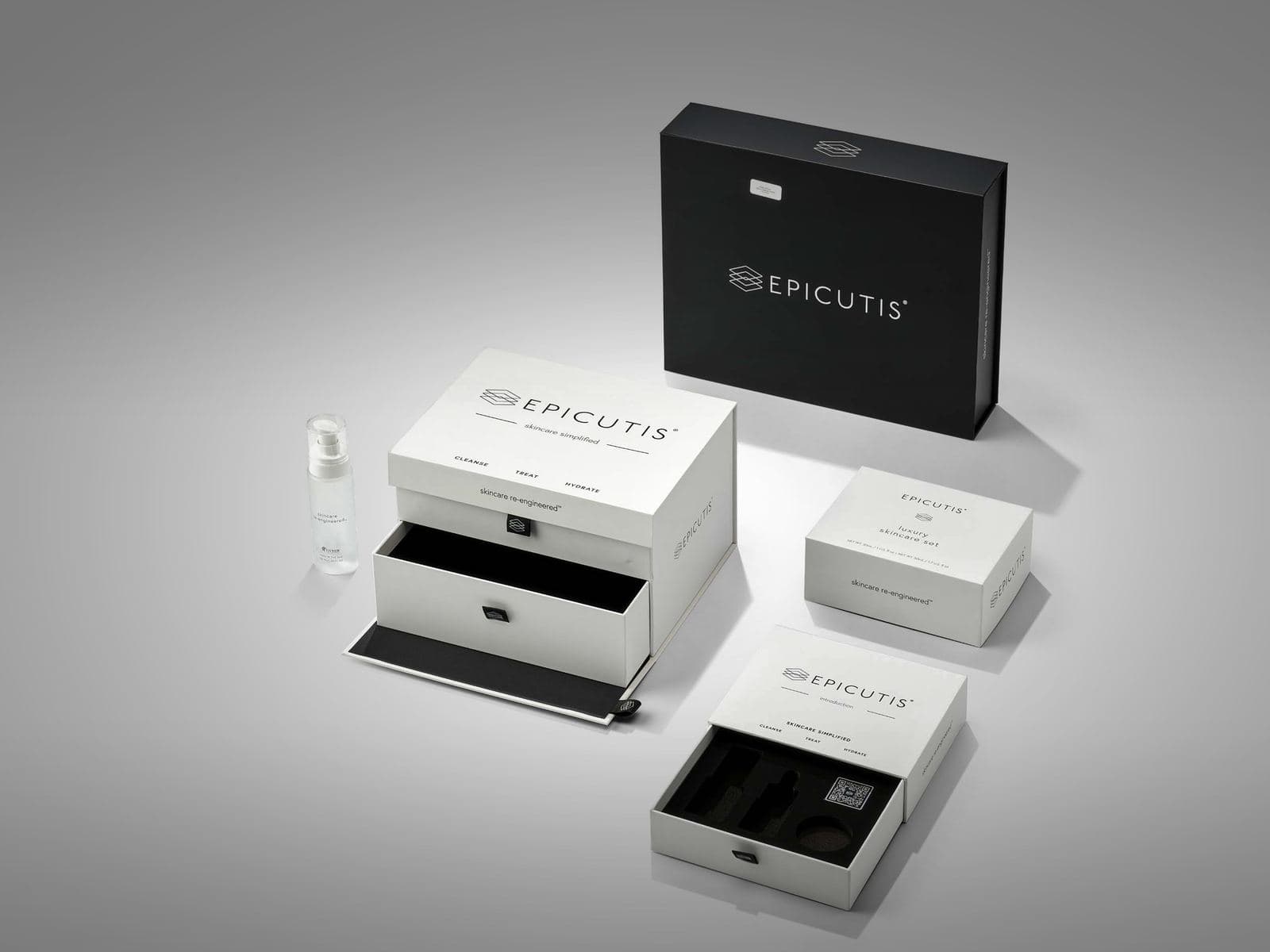
- Epicutis packaging case study — a multi-SKU drawer-box system with structured molded trays.
Quick answers
Common questions brand managers and marketers ask when they first scope an unboxing design program. For the deeper material, finish, and system detail, start with the related guides above.