The influencer kit and PR mailer playbook
How to plan structure, product presentation, personalization, kitting, and fulfillment
What makes an influencer kit effective?
An effective influencer kit makes the product easy to understand, film, and share while surviving the trip to the creator. Structure, reveal sequence, product restraint, insert design, personalization, kitting, and shipping all matter. The goal is not the biggest box or the most finishes. It is a coherent unboxing that supports the campaign story and arrives intact.
What to know
- Design the reveal around the product and campaign message, not empty spectacle.
- Select the outer structure for transit first; build the interior presentation inside it.
- Match the personalization method to quantity and timing.
- Treat kitting, address data, and direct-to-recipient fulfillment as part of the production plan.
The Package Shapes the First Frame of the Story
When a creator opens a PR mailer on camera, the package becomes part of the campaign story. Its structure can make the product and message easier to understand, while poor presentation or transit damage can make the reveal harder to use.
The package cannot guarantee a post. It can remove friction by making the product easier to understand, the reveal easier to film, and the campaign more coherent when it arrives.
- Structure shapes comprehension: the product and campaign idea should be clear before the creator reads a long insert
- Unboxing videos are among the most-watched content categories on TikTok and YouTube
- Creators report that premium packaging makes them more likely to feature a product organically
- The cost per impression on a well-designed kit is a fraction of paid media costs
Anatomy of a High-Performing Influencer Kit
Every kit that generates content follows the same structural logic: surprise, reveal, delight. Here's how each layer contributes to the unboxing moment.
The Outer Mailer
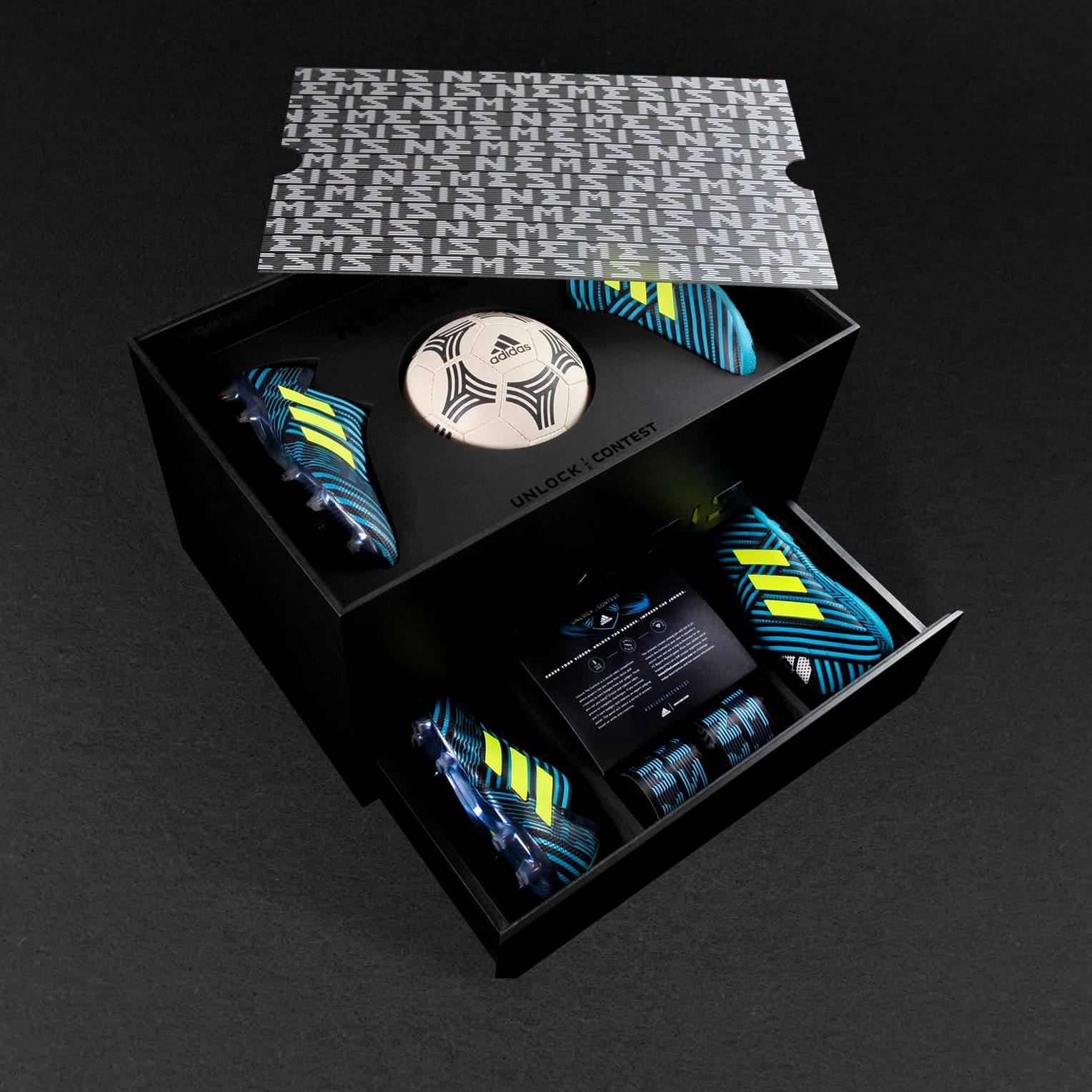
The outer box is the first impression. It needs to survive shipping, arrive clean, and set the tone before it's even opened. Options include corrugated mailer boxes with full-color printing, rigid magnetic closure boxes for luxury positioning, and drawer-style boxes for a dramatic reveal.
The Reveal Structure
The interior architecture is what makes the difference between “nice packaging” and “I have to film this.” Layer-by-layer reveals, magnetic lids that open slowly, ribbon lifts, and nested compartments all extend the filming moment and give creators more content to work with.
Product Nesting
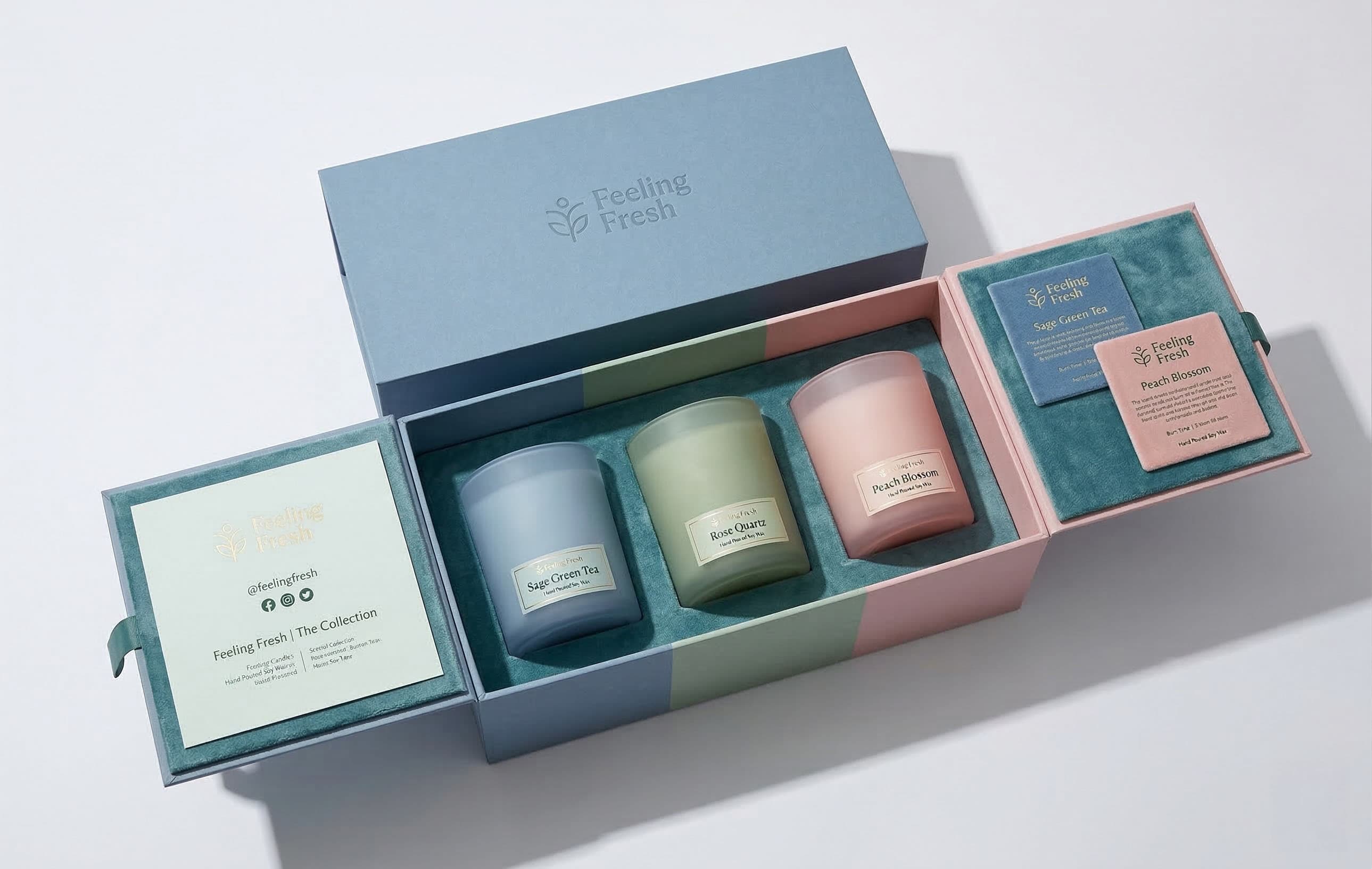
Products should be held securely and presented beautifully. Custom foam inserts, die-cut cardboard, or fabric-lined compartments each serve different brand positions. The key is that every product has a dedicated home that feels intentional.
Branded Fills & Accessories
Custom tissue paper, branded ribbon, crinkle fill, fabric pouches, and seeded paper all reinforce brand identity. Every layer the creator pulls away is another second of content and another chance to show the brand's attention to detail.
Personalized Inserts
A card with the creator's name, a personalized note, or a custom product recommendation shows the relationship is real — not spray-and-pray. This drives emotional response and makes creators more likely to post.
Choosing Your Kit Structure
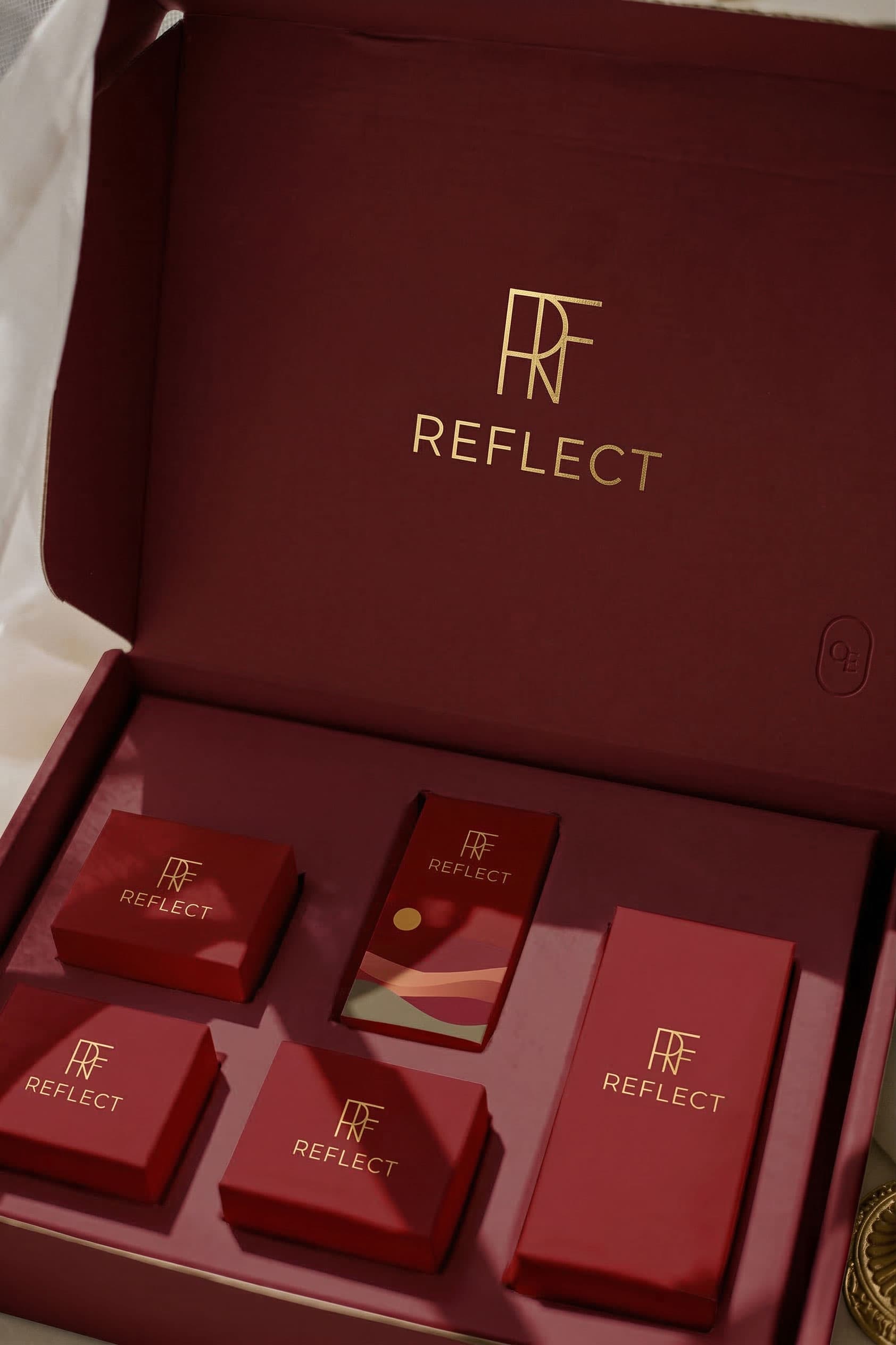
The right structure depends on your budget, quantity, timeline, and brand positioning. Here's how the three most common options compare.
| Structure | Best For | MOQ | Cost Range | Lead Time |
|---|---|---|---|---|
| Rigid Magnetic Box | Luxury positioning, high-value sends | 200–500 | $25–75/unit | 10–12 weeks |
| Corrugated Mailer | Large sends, durability, cost efficiency | 100–250 | $8–20/unit | 4–6 weeks |
| Drawer Box | Dramatic reveal, mid-luxury positioning | 300–500 | $20–50/unit | 8–10 weeks |
Rigid magnetic boxes are the gold standard for influencer kits. The magnetic closure creates a slow, satisfying open that works perfectly on camera. The structure is substantial enough to feel premium and sturdy enough to be kept and reused — extending brand exposure beyond the unboxing moment.
Corrugated mailers are the workhorse of PR sends. They're cost-effective at higher quantities, print beautifully with full-color graphics, and survive shipping without issue. They won't feel as premium as rigid, but they're the right choice when you need to reach a larger list.
Drawer boxes offer a middle ground: a more dramatic reveal than a mailer, at a lower cost than full rigid. The slide-out mechanism creates a natural filming moment and works well for beauty and skincare brands.
Finishes That Pop on Camera
The right finish elevates a kit from “professional” to “stunning.” These are the finishes that photograph and film best. For detailed cost ranges and tradeoffs, see our packaging finish guide.
Soft-Touch Lamination
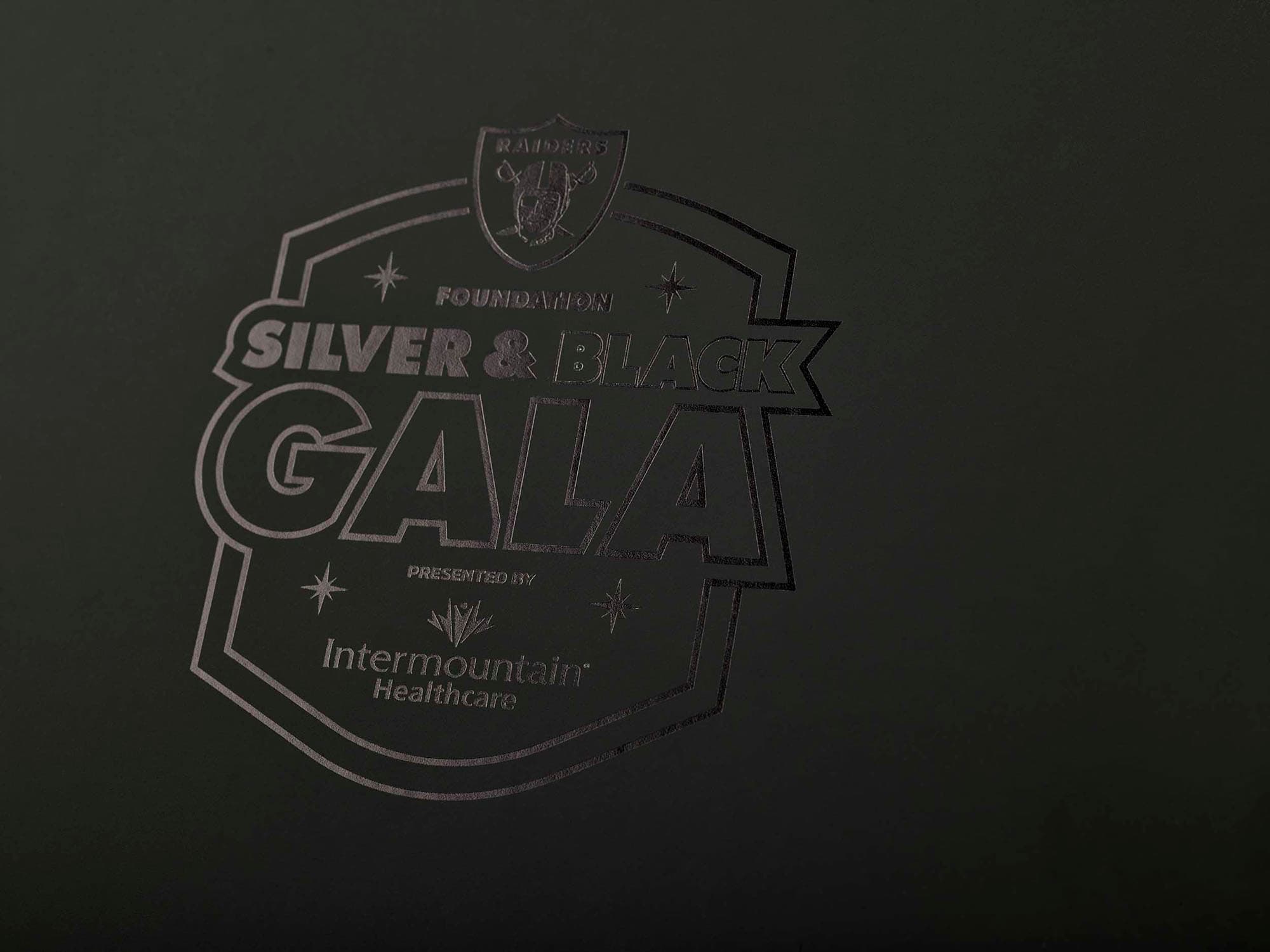
A velvety, matte texture that feels luxurious to the touch. It photographs as a rich, deep matte and creates an immediate tactile impression when the box is first handled. This is the single most impactful finish for influencer kits.
Foil Stamping
Metallic foil (gold, silver, rose gold, holographic) catches light beautifully on camera. Use it for logos, creator names, or accent elements. The sheen creates a premium feel that's immediately recognizable in video content.
Spot UV
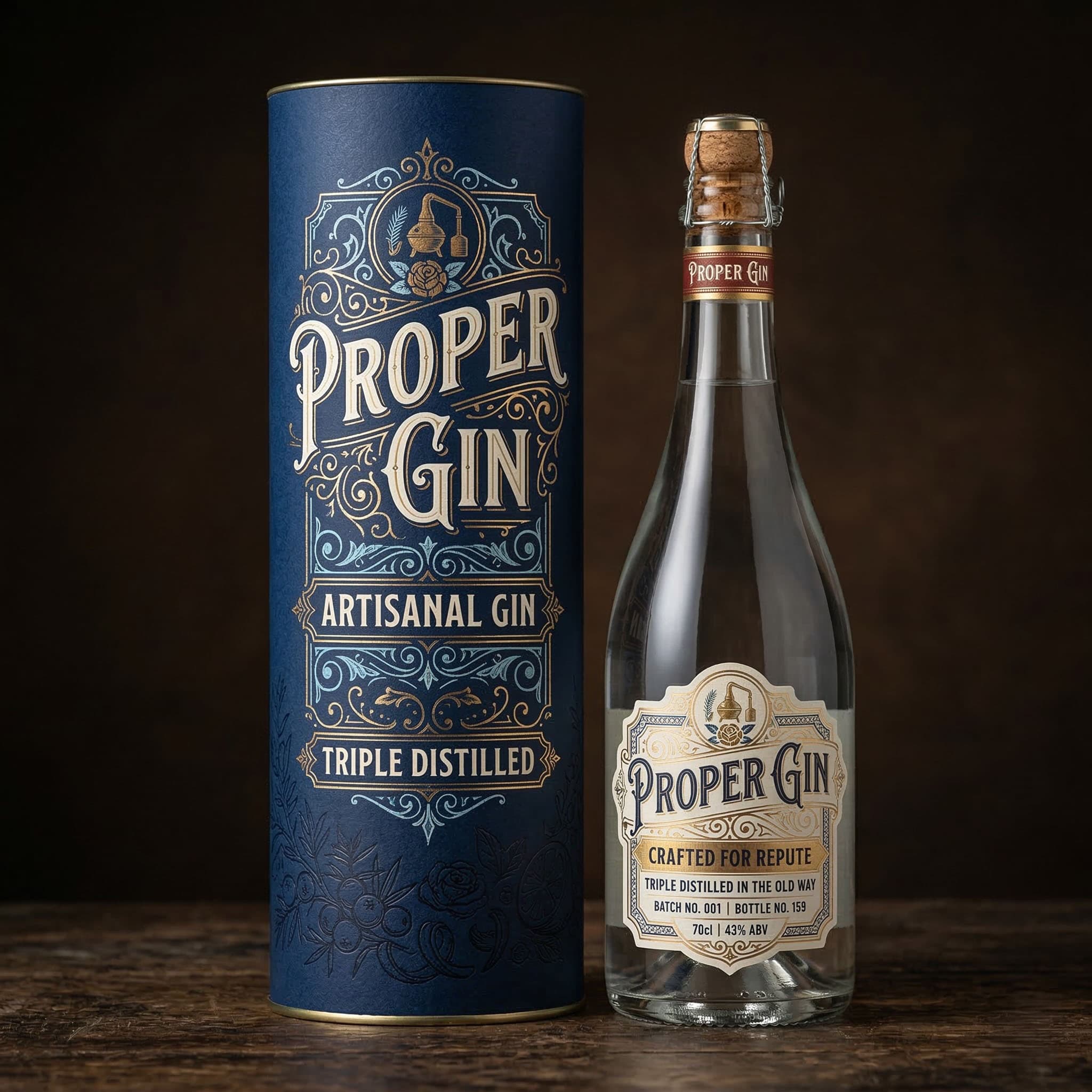
A glossy, raised coating applied to specific areas over a matte base. The contrast between the soft-touch matte background and the glossy spot UV creates a striking visual and tactile effect. Logos, patterns, and text all work well in spot UV.
Embossing & Debossing
Raised or pressed elements add a three-dimensional quality that looks and feels premium. Blind emboss (no color, just texture) is subtle and sophisticated. Combined with foil, it creates one of the most luxurious finish combinations available.
For a deep dive into every finish option, see our Definitive Guide to Packaging Finishes.
Personalization at Scale
Personalization is what separates a mass send from a considered gift. Here are the most common approaches, ranked by cost and impact.
Foil-Stamped Names
Individual creator names stamped in metallic foil directly on the box. This is the highest-impact personalization option — it's visible on camera, feels bespoke, and is surprisingly affordable at 200+ units with a variable die setup.
Variable Digital Print
Digital printing allows unique artwork per unit — names, custom colors, or personalized product recommendations. Cost-effective at any quantity since there's no die involved, but the output is printed (not metallic).
Custom Stickers
Printed or foil stickers applied to a standard kit give the appearance of personalization at a fraction of the cost. Great for fast-turnaround campaigns where personalized names are important but the timeline doesn't allow for custom stamping.
Handwritten Notes
A handwritten note card (even if the “handwriting” is a custom font printed on premium stock) adds a personal touch that creators consistently call out in their content. This is the lowest-cost personalization option with high emotional impact.
Timeline & Production Planning
Timing is the most common reason influencer kit projects go wrong. Here's what a realistic production schedule looks like.
The 12-Week Path (Fully Custom)
- Weeks 1–2: Brief, structural concept, and preliminary costing
- Weeks 3–4: Structural prototyping and sample development
- Weeks 5–6: Sample approval, revisions, final artwork
- Weeks 7–10: Mass production (rigid structures, specialty finishes)
- Weeks 11–12: Kitting, assembly, and fulfillment
The 6-Week Path (Expedited)
- Week 1: Brief, structure selection from existing tooling, artwork
- Week 2: Sample approval (digital proof for standard structures)
- Weeks 3–5: Production (mailer boxes or existing rigid tooling)
- Week 6: Kitting and fulfillment
Key planning tips:
- Start conversations 16+ weeks before your campaign launch for fully custom work (see our custom packaging timeline for the full phase-by-phase breakdown)
- If you're working with an agency, add 1–2 weeks for internal approvals
- Seasonal campaigns (holiday, summer, back-to-school) should begin briefing 5–6 months out
- Always build in a 1-week buffer for shipping and last-minute changes
Working with Agencies
Most influencer kit projects involve at least one agency — a PR firm, a creative studio, or a brand marketing team. Here's how to structure the relationship for the best outcome.
What to Include in a Packaging Brief
- Campaign objective: Product launch, seasonal push, creator seeding, event activation
- Quantity range: Even a rough range (e.g., 200–500) helps narrow the structural options
- Product dimensions: What goes inside the kit — sizes, weights, fragile items
- Brand guidelines: Colors, logos, fonts, tone of voice
- Budget range: Even approximate numbers prevent wasted time on unrealistic concepts
- Timeline: Ship date, in-hands date, or campaign launch date
- Inspiration: Reference images, competitor kits, mood boards
Common Mistakes in Agency Briefs
- Designing the box before knowing what goes inside it
- Requesting fully custom structures on a 4-week timeline
- Spec'ing finishes that don't work on the chosen substrate
- Forgetting to account for kitting and fulfillment logistics
Budget Ranges & MOQs
Transparent pricing is rare in custom packaging. Here are realistic ranges based on our production experience.
| Kit Type | Per-Unit Cost (500 units) | Per-Unit Cost (1,000+) | Typical MOQ |
|---|---|---|---|
| Simple Mailer Box | $8–15 | $5–10 | 100–250 |
| Mailer + Custom Inserts | $15–25 | $10–18 | 200–500 |
| Rigid Magnetic Box | $25–50 | $18–35 | 200–500 |
| Luxury Multi-Layer Kit | $50–75+ | $35–55 | 300–500 |
What drives cost up:
- Rigid structures vs. corrugated
- Specialty finishes (foil, spot UV, soft-touch)
- Custom foam or fabric inserts
- Low quantities (under 200 units)
- Tight timelines requiring expedited production
What keeps costs manageable:
- Using existing structural tooling where possible
- Ordering 500+ units to hit price breaks
- Choosing printed inserts over foam or fabric
- Planning 12+ weeks ahead to avoid rush charges
Ready to Build Your Kit?
Tell us your campaign, timeline, and quantities. We'll give you a realistic plan and quote.
See these principles in a real project: the Adidas Nemeziz launch kit used rigid construction, a multi-level reveal, and product-specific compartments to drive the filming moment.
Bottom line
A PR kit cannot guarantee a post. It can remove reasons not to engage: unclear presentation, damaged product, generic execution, and a reveal that gives the creator nothing to work with. Build the kit around the product story, then make every production decision support that story.
Still Have Questions?
Here are the most common questions we get about influencer kit production. If you don't see your question, book a call and we'll give you a straight answer.
Influencer Kit FAQs
Make the Unboxing
Worth Posting
Tell us your campaign, timeline, and quantities. We'll tell you how to make it happen.